
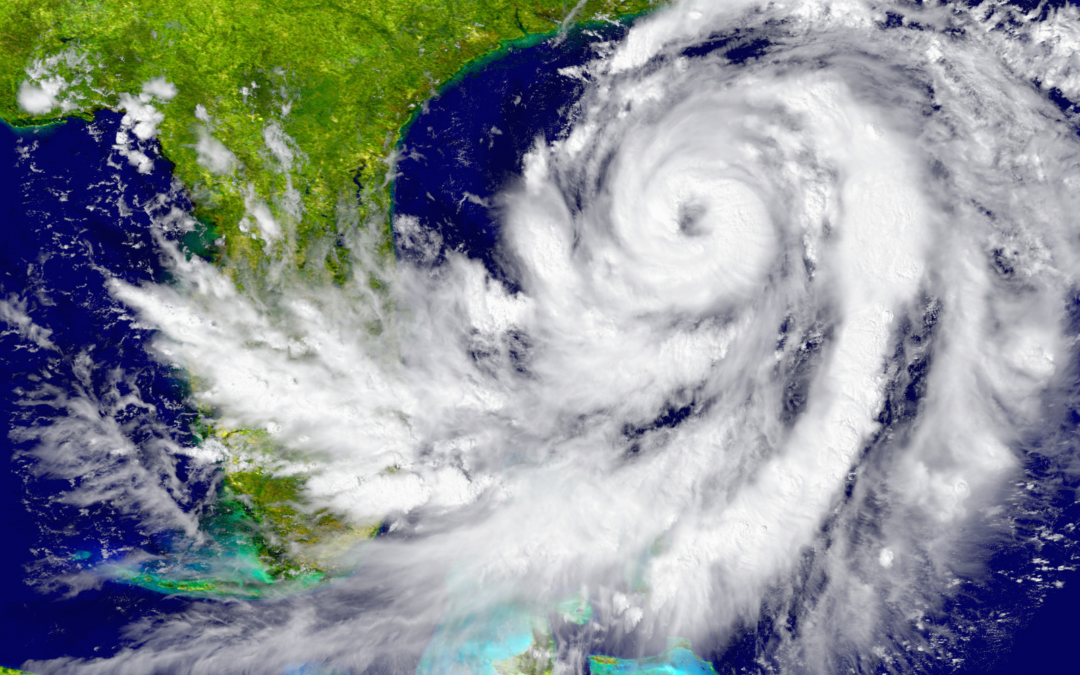

The 2026 Atlantic hurricane season is already drawing attention from meteorologists, homeowners, and businesses alike. While official forecasts continue to evolve as we approach peak months, early indicators provide valuable insight into what we might expect—and how to prepare.
In this article, we break down the key trends shaping the 2026 hurricane season, including climate patterns, forecast models, and risk factors that could influence storm activity.
When Does the 2026 Hurricane Season Start?
The Atlantic hurricane season officially runs from June 1 through November 30, with most storm activity occurring between August and October.
The National Hurricane Center begins issuing regular tropical outlooks in mid-May, giving early warnings as conditions develop.
Early Forecast Predictions for 2026
Although it’s still early in the forecasting cycle, preliminary outlooks suggest a near-average to slightly below-average season.
Some early projections indicate:
-
9–13 named storms
-
4–6 hurricanes
-
1–3 major hurricanes
Other forecasting groups expect numbers closer to historical averages (around 14 storms, 7 hurricanes, and 3 major hurricanes).
The key takeaway: Even a “mild” season can still produce one devastating storm, so preparation remains critical.
Learn 8 Important Things To Do To Prepare for a Hurricane
Key Climate Trend #1: El Niño Could Suppress Activity
One of the biggest factors influencing the 2026 season is the potential development of El Niño.
-
Forecasts suggest a 50–60% chance of El Niño forming during the summer.
-
El Niño typically increases wind shear over the Atlantic.
-
Strong upper-level winds can disrupt storm formation and limit intensification.
Historically, El Niño years tend to produce:
-
Fewer storms
-
Weaker hurricanes
-
Reduced landfall risk
However, this is only part of the story.
Key Climate Trend #2: Warm Ocean Temperatures
Even with El Niño in play, warmer-than-average sea surface temperatures in the Atlantic could offset its suppressive effects.
Warm water is essentially fuel for hurricanes, and recent trends show:
-
Rising ocean heat content
-
Increased potential for rapid intensification
-
Longer-lasting storms
This means that while the number of storms may decrease, the intensity of individual storms could still be high.
Key Climate Trend #3: Transition from La Niña to Neutral Conditions
At the start of 2026, the climate system is transitioning from La Niña to neutral conditions, with a possible shift toward El Niño later in the season.
This transition creates uncertainty because:
-
La Niña tends to increase hurricane activity
-
Neutral conditions can go either way
-
El Niño tends to reduce activity
This evolving pattern makes mid-season updates (July–August) especially important for accurate forecasting.
Key Trend #4: Forecast Uncertainty Remains High
Experts emphasize that early hurricane predictions can change significantly.
-
Atmospheric and ocean conditions can shift rapidly in spring.
-
Forecasts are refined continuously as new data becomes available.
-
The most reliable outlooks typically come closer to the season start.
In short: Don’t rely solely on early predictions—stay updated.
Key Trend #5: Storm Impact Matters More Than Storm Count
It’s important to remember that seasonal totals don’t tell the full story.
A below-average season can still be dangerous because:
-
A single landfalling hurricane can cause billions in damage
-
Slow-moving storms increase flooding risk
-
Coastal population growth increases vulnerability
As experts often say:
“It only takes one storm to make it an active season for you.”
What This Means for Homeowners in 2026
Whether the season turns out to be active or quiet, the risks remain real. Key preparedness steps include:
-
Inspecting and reinforcing roofing systems
-
Securing windows and doors
-
Clearing gutters and drainage systems
-
Preparing emergency supplies
-
Reviewing insurance coverage
With increasing climate variability, proactive planning is more important than ever.
Prepare in Advance with PlyFASTner Plus
When it comes to protecting your home from hurricane damage, preparation isn’t just about supplies—it’s also about structural resilience.
PlyFASTner Plus is designed to help homeowners strengthen their roofing systems against extreme weather conditions, including hurricanes.
Why PlyFASTner Plus Matters:
-
Helps secure roof decking more effectively
-
Reduces the risk of wind uplift during storms
-
Enhances overall structural integrity
-
Supports long-term durability in high-risk areas
Be Hurricane-Ready Before the Season Begins
Instead of reacting after a storm warning is issued, smart homeowners take action early. By reinforcing critical areas like the roof, you can significantly reduce potential damage.
Prepare for a hurricane in advance with PlyFASTner Plus—because when severe weather strikes, every layer of protection matters.
Final Thoughts
The 2026 Atlantic hurricane season is shaping up to be influenced by a mix of competing factors—from El Niño suppression to unusually warm ocean waters.
While forecasts suggest a potentially moderate season, uncertainty remains high. The smartest approach is simple:
-
Stay informed
-
Monitor forecast updates
-
Prepare your home early
Because in hurricane season, preparedness is your best defense.